
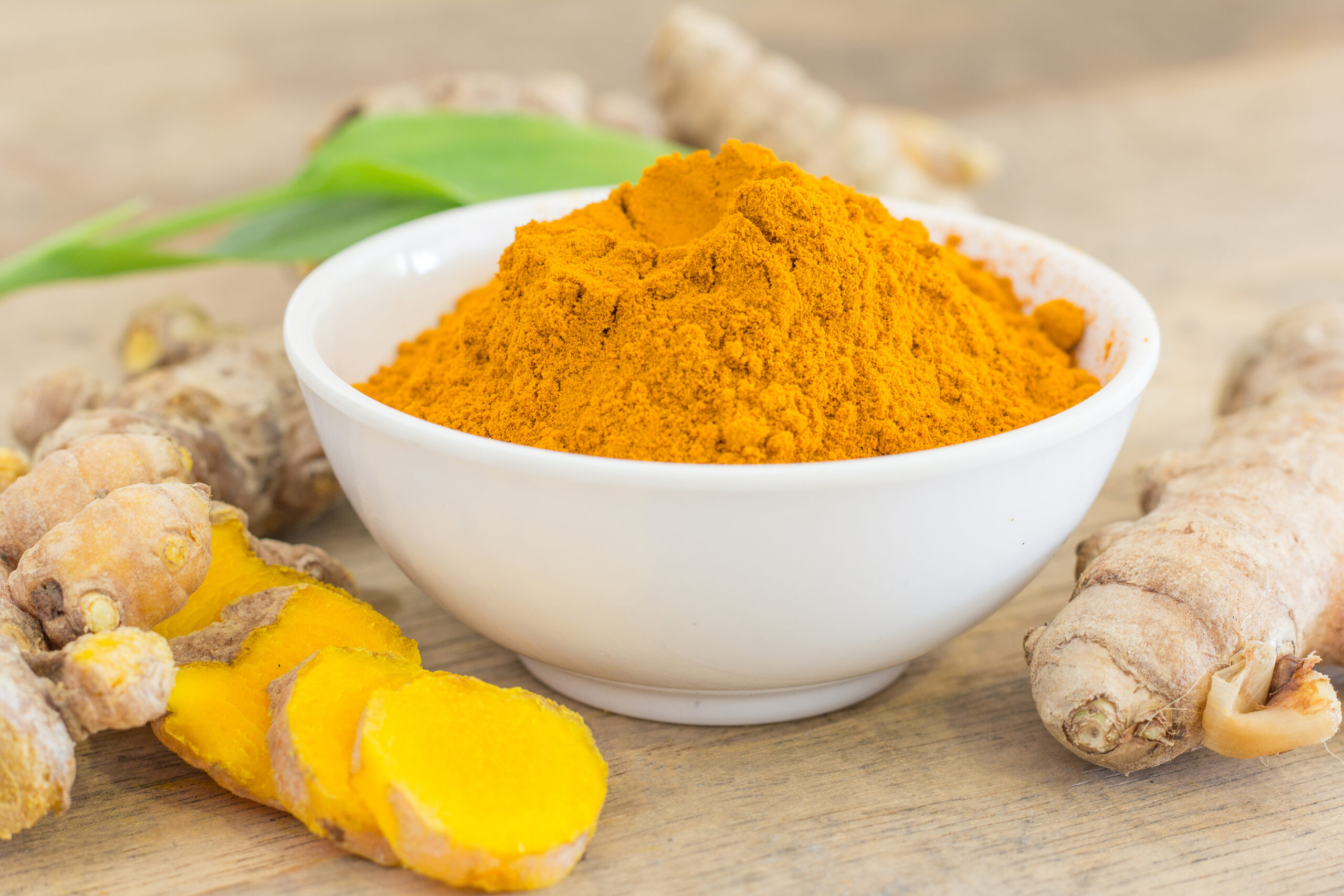
Turmeric (Haldi) is not just a spice—it is a part of our daily life. From cooking to health benefits, we use it almost every day.
But the biggest problem today is milawat (adulteration) in turmeric powder available in the market. Many people are unknowingly using low-quality or artificial-colored turmeric.
So how can you check if your turmeric is pure or not?
Don’t worry—you can easily test it at home with these simple methods.
1. Water Test (Sabse Aasan Tarika)
Take a glass of warm water and add 1 teaspoon of turmeric powder.
– If turmeric settles at the bottom and water remains mostly clear → Pure turmeric
– If water turns bright yellow instantly → May contain artificial color
2. Color Test (Haath se Pehchaan)
Take a pinch of turmeric and rub it between your fingers or on your palm.
– Natural yellow color → Good quality
– Very bright or artificial color → Possible adulteration
3. Smell Test (Khushboo se Pehchaan)
Pure turmeric always has a strong, earthy and natural aroma.
– Weak smell or chemical-like odor → Not pure
4. Taste Test (Swaad se Pehchaan)
Take a small pinch and taste it carefully.
– Slightly bitter and warm taste → Pure turmeric
– Unusual or flat taste → Low quality
5. Lemon Test (Extra Check)
Add a few drops of lemon juice to turmeric powder.
– If bubbles appear → It may contain chalk powder or impurities
Why Purity Matters
Using impure turmeric can reduce taste of your food, affect your health, and give artificial color instead of natural benefits.
Choose Quality, Choose Trust
At Sugandham Spices, we focus on natural color, strong aroma, and fresh, pure spices.
If you want turmeric that actually improves your cooking, connect with us on WhatsApp.
Try once, and you will feel the difference in taste.
Final Thought
Good cooking always starts with good ingredients. Turmeric is the heart of Indian cooking—so never compromise on its quality.